Snow Storm: Understanding The Phenomenon And How To Prepare - Snow storms are caused by a combination of atmospheric conditions that lead to the formation of snow clouds. The primary factors include: Preparation is key to staying safe during snow storms. Below are some essential steps to take before a storm hits:
Snow storms are caused by a combination of atmospheric conditions that lead to the formation of snow clouds. The primary factors include:
By exploring the causes, impacts, and prevention strategies, we aim to provide a comprehensive resource for understanding snow storms. Our focus is not only on the scientific aspects but also on actionable advice that can help protect lives and property during these extreme weather events.
Snow forms when water vapor in the atmosphere freezes into ice crystals. These crystals combine to form snowflakes, which fall to the ground as snow if the air temperature remains below freezing.
When these conditions align, snow storms can form and intensify. Understanding the science behind these processes helps meteorologists predict and warn communities about impending storms.
Nor'easters are powerful storms that occur along the eastern coast of North America. These storms are known for their strong winds and heavy precipitation, which can include snow, sleet, or rain.
Staying informed about weather updates and following official advice can help you navigate the storm safely.
We encourage readers to share this article and provide feedback in the comments section. Stay informed and prepared for the next snow storm by following the tips and strategies outlined in this guide. For more information on weather preparedness, explore our other articles on the site.
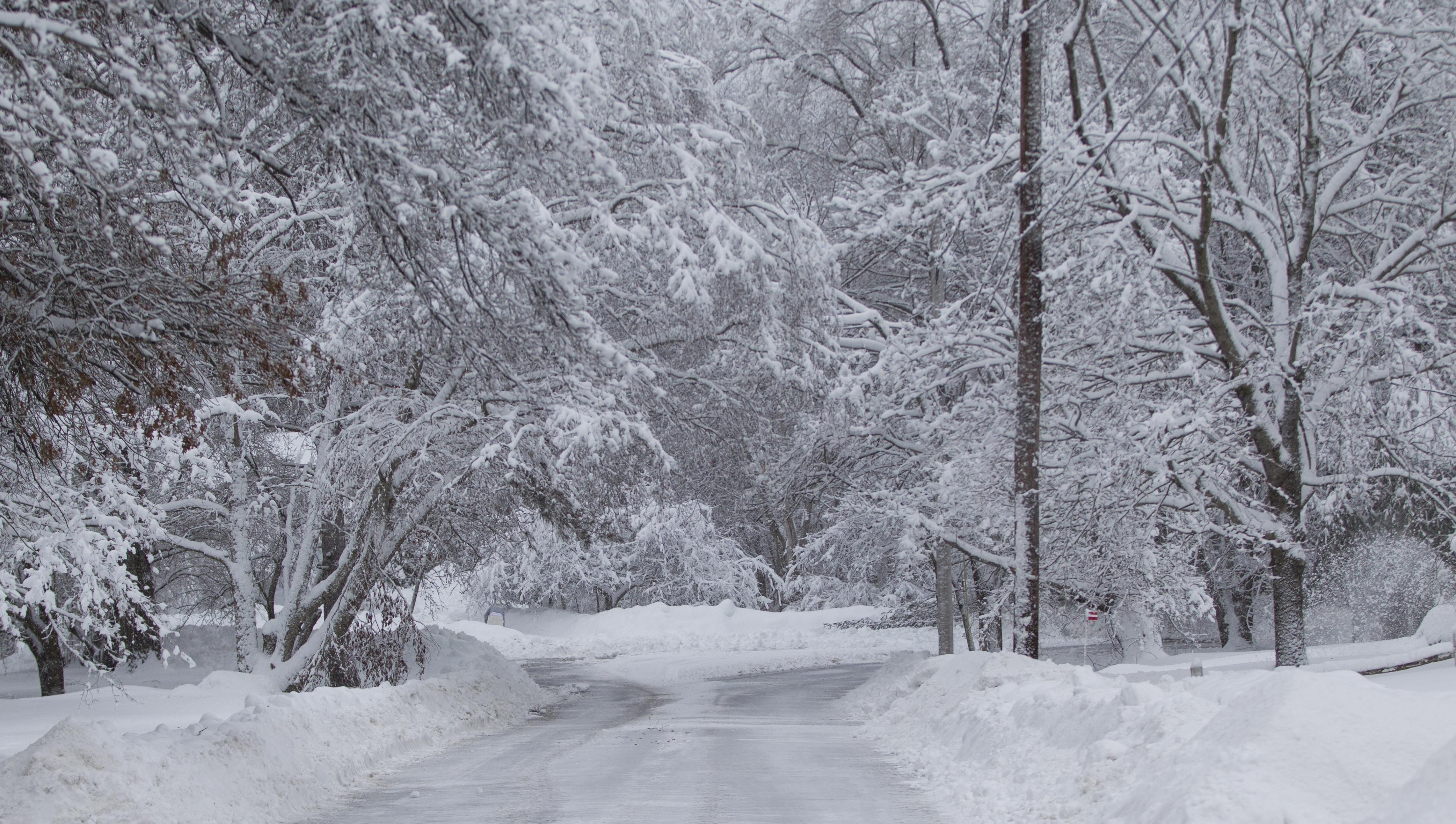
By taking these precautions, you can minimize the risks associated with snow storms and ensure your safety.
Snow storms are powerful weather events that require careful preparation and response. By understanding their causes, effects, and potential impacts, communities can better prepare for these storms and minimize their risks.

Communities in snow-prone areas often develop strategies to mitigate these effects, such as improving road maintenance and emergency response plans.
Climate change is influencing weather patterns worldwide, including the frequency and intensity of snow storms. Warmer ocean temperatures and increased atmospheric moisture can contribute to more severe storms.
If you must travel during a snow storm, ensure your vehicle is equipped with emergency supplies, such as blankets, food, and water. Drive slowly and maintain a safe distance from other vehicles.